 (Blog post derived from The Columbus Dispatch)
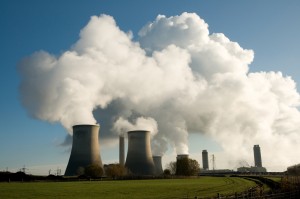
“There was big energy news today that American Electric Power (AEP) plans to close a coal-fired power plant near Beverly, Ohio, that had been slated for conversion to run on natural gas. The Columbus-based utility said yesterday that Muskingum River Unit 5, with a capacity of 585 MWs, will stop operating in 2015. The company is taking that action at a time when wholesale electricity prices remain low, and Ohio’s power demand has been close to flat.”
Teresa Ringenbach, Senior Manager, Government & Regulatory Affairs, Direct Energy, comments: As coal-fired power plants age and new environmental rules are put into place, it is likely some plants will be shut down. However, just like any other industry where new technology replaces the old, new plants will be built if and when they are needed. In fact, many new plants are already approved and several new plants went online in PJM over the last few years. There are federal, state, and regional reliability protections for customers to ensure the lights stay on. Lastly, competitors such as Direct Energy have the capability to offer innovative products designed to allow customers the flexibility to save money even if market prices increase. Read the July 12 article from The Columbus Dispatch.

 In the electricity business, we talk A LOT about the natural gas market. Where is the market going? What affects the market? If our business is mostly about electricity, why do we talk so much about natural gas? Simply put, the greatest driver of electricity prices is the price of natural gas. Let’s take a look at why this important correlation exists.